GTA 6 and past GTA controversies: Vice City, lawsuits, Hot Coffee
GTA 6 launches November 19, 2026 with an ESRB Mature 17+ rating published on October 6. Before it, Take-Two cut lines from Vice City in 2003, beat two $600 million lawsuits and saw San Andreas rerated Adults Only in 2005.
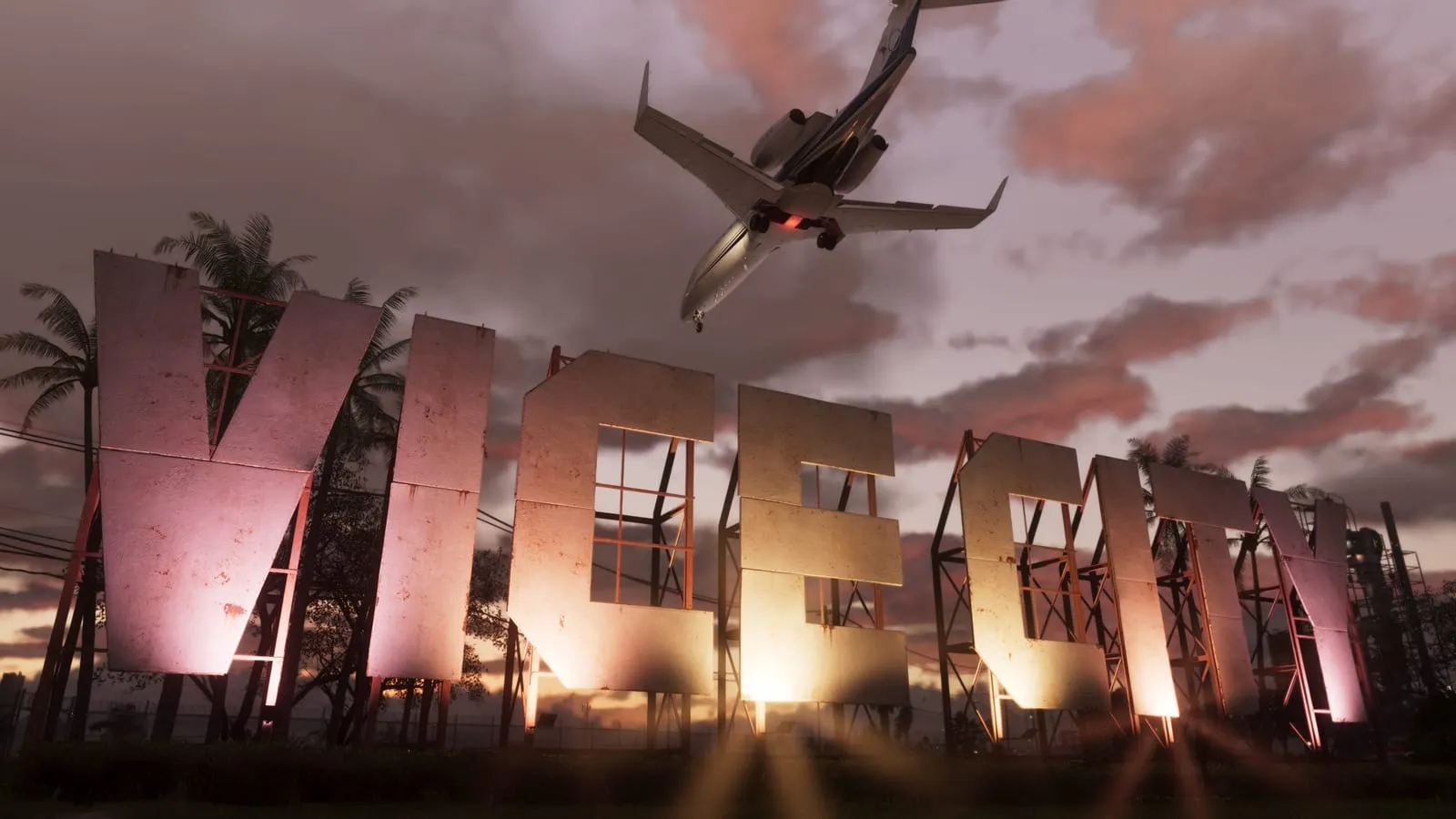
Three controversies shaped the series before GTA 6. In December 2003, Take-Two removed Vice City's lines targeting Haitians. Two $600 million lawsuits brought by attorney Jack Thompson were dismissed in New Mexico on January 11, 2008 and ended in Take-Two's favor in Alabama on July 29, 2009. On July 20, 2005, Hot Coffee got San Andreas rerated Adults Only. The ESRB has rated GTA 6 Mature 17+ since October 6, 2026.
Three controversies left a mark on the Grand Theft Auto series before GTA 6: Vice City’s lines about Haitians, cut in December 2003; two $600 million lawsuits brought by attorney Jack Thompson and thrown out in 2008 and 2009; and the Adults Only rerating of San Andreas on July 20, 2005. GTA 6 launches November 19, 2026, rated Mature 17+ by the ESRB since October 6.
| Date | Controversy | What it changed | Source |
|---|---|---|---|
| November 2003 | Vice City, rally at New York City Hall | lines removed from later copies | Gamasutra, NBC News |
| February 2005 | Alabama lawsuit, over $600M | summary judgment for Take-Two on July 29, 2009, upheld September 24, 2010 | Take-Two |
| July 20, 2005 | Hot Coffee, San Andreas rerated Adults Only | production halted, $24.5M in return costs | Take-Two, FTC |
| September 2006 | New Mexico lawsuit over Vice City, $600M | dismissed January 11, 2008, appeal closed May 19, 2008 | Take-Two |
| April 20, 2007 | Take-Two settles with Jack Thompson | no more suits to block sales of a Take-Two game | Shacknews |
The leaks have their own pages: the Rockstar breach by Arion Kurtaj, who posted 90 development videos on September 18, 2022, and the videos from the CyberLeek account in August 2026.
Vice City, 2003: the dialogue that went
On November 26, 2003, Gamasutra reported that the Haitian Centers Council and Haitian Americans for Human Rights had condemned Grand Theft Auto: Vice City, and that activists had gathered at New York City Hall to get it banned. The target was a mission objective, “Kill all the Haitians,” which Gamasutra noted referred to one specific gang of dealers.
Take-Two gave way in December 2003, more than a year after the game reached PlayStation 2. Its statement, as quoted by NBC News on December 12:
We are aware of the hurt and anger in the Haitian community and have listened to the community’s objections to certain statements made in the game. Accordingly, we will remove the objectionable statements from future copies.
Jack Thompson’s two lawsuits
In February 2005, the estates of three police officers killed in Alabama sued Take-Two, Sony, Wal-Mart and GameStop in Fayette County circuit court. They claimed Grand Theft Auto III and its sequels caused “copycat violence” and sought more than $600 million. On November 21, 2005, Gamasutra reported, the judge revoked the temporary right of Jack Thompson, a Florida lawyer, to practice in Alabama, writing that his “actions before this court suggest that he is unable to conduct himself in a manner befitting practice in this state.”
Wikipedia dates the end of the suit to November 2005. What ended that month was Thompson’s part in it. According to Take-Two’s SEC filings, the court granted Take-Two summary judgment on July 29, 2009, and the Alabama Supreme Court affirmed on September 24, 2010.
In September 2006, Thompson filed a second suit, in New Mexico, naming Vice City and seeking $600 million according to the Associated Press. Take-Two argued lack of personal jurisdiction and failure to state a claim. The judge granted both motions on December 18, 2007, the dismissal order followed on January 11, 2008, and the state Court of Appeals closed the case on May 19, 2008 because no timely appeal had been filed.
In between, on April 20, 2007, Shacknews reported the settlement between Take-Two and Thompson: he would no longer pursue legal action to restrict sales of Take-Two games, and “retains the right to publicly criticize the content or distribution of any Take-Two product.”
Hot Coffee, 2005
On July 20, 2005, the ESRB moved San Andreas from Mature 17+ to Adults Only 18+ over a sex minigame left in its code, and Take-Two stopped manufacturing it. The FTC put Take-Two’s costs from returns at $24.5 million. The full timeline is in our Hot Coffee entry.
How GTA 6 is rated
The ESRB’s Grand Theft Auto VI rating, published October 6, 2026, carries seven descriptors, Strong Sexual Content and Nudity among them. San Andreas lost its rating over content it had left undeclared; GTA 6 declares its own before launch. The descriptors match GTA V’s, as detailed in our rating breakdown, and our parents’ guide covers what they mean in practice.
Keep reading
 DatabaseGTA 6 Ocean Beach: Vice City's art deco hotels and white sands
 DatabaseGTA 6 and Jason Schreier: every Bloomberg report, date by date
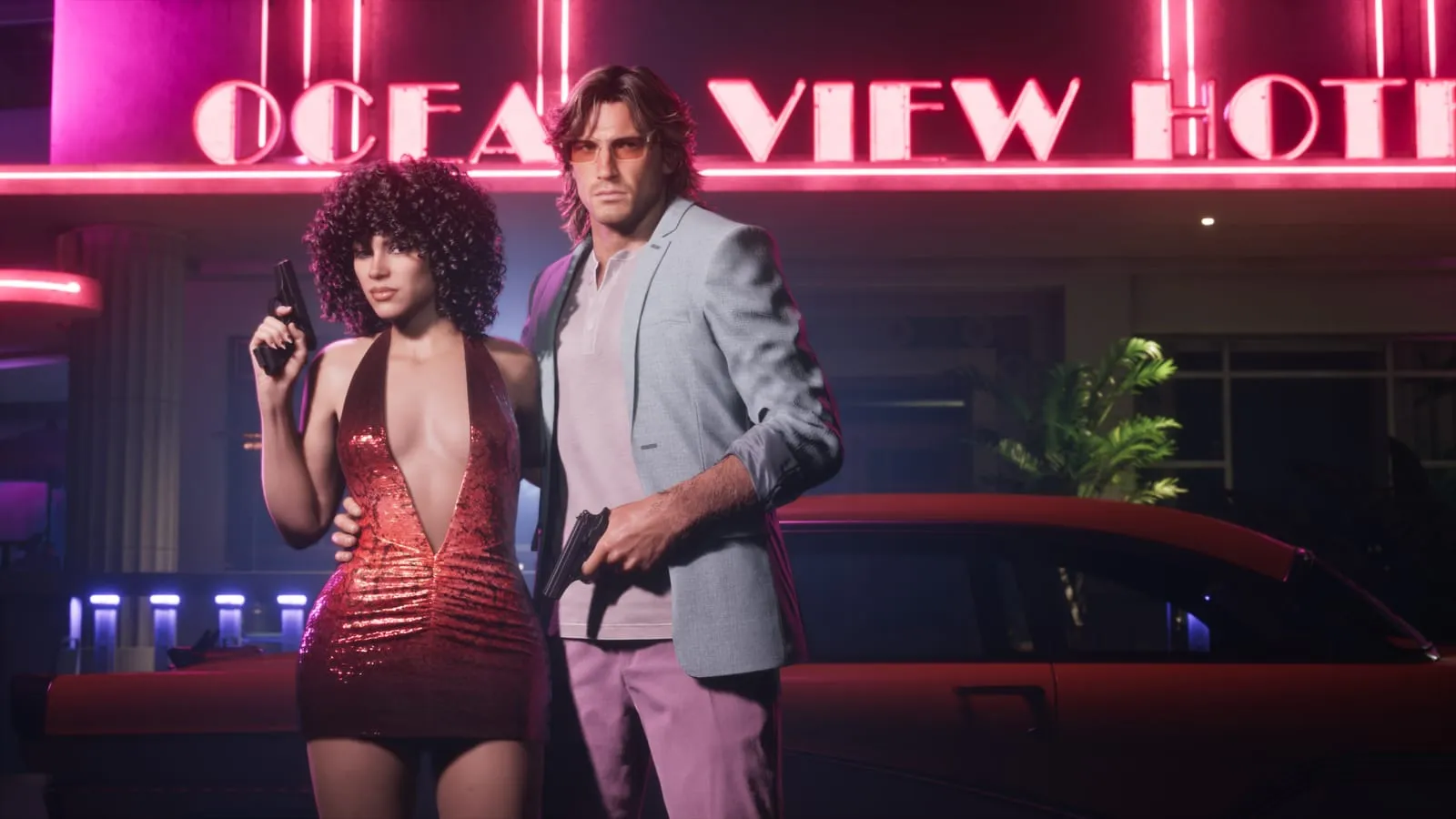 GuidesGTA 6 vs GTA Vice City: the same city, from 1986 to today
 GuidesGTA 6 vs San Andreas: what changed in 22 years, side by side
- DatabaseGTA 6 publisher Take-Two: who owns Rockstar, and since when
Read next
29 AugEntry
GTA 6 studio Rockstar North, the team Take-Two bought for 1 pound
Rockstar North builds Grand Theft Auto VI in Edinburgh. The studio started out as DMA Design in Dundee, had about 22 staff in 1992 and around 650 by 2018, and Rob Nelson and Aaron Garbut run it today.
16 OctEntry
GTA 6: Leslie Benzies, the GTA V producer who left in 2016
Leslie Benzies produced every major GTA from 2001 to 2013 out of Edinburgh. His exit, made public on January 12, 2016, handed Rockstar North to the two men now shipping GTA 6 on November 19, 2026.
15 OctEntry
GTA 6: the five Rockstar Games founders, and where they are now
Rockstar Games was founded in New York in December 1998 by five people. Sam Houser, the studio's president, is the last of them still in place as GTA 6 heads for its November 19, 2026 launch.
14 OctEntry
GTA 6 developer: Rockstar's 10 studios, Edinburgh to Sydney
Take-Two credits Rockstar Games with 10 in-house studios, from Scotland to Australia. Rockstar North leads development of GTA 6 in Edinburgh, and a team set up in Los Angeles works on the game's pedestrians.